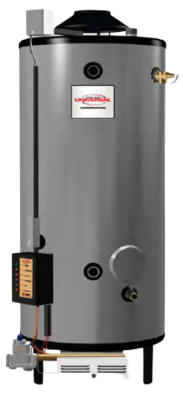
In commercial kitchens, hot water is essential—not just for cooking, but for sanitation, cleaning, and overall operational efficiency. For many foodservice businesses, gas water heaters offer a dependable and cost-effective solution to meet these high-demand needs. Whether used for dishwashing, handwashing, or food preparation, choosing the right system is key to keeping operations smooth and compliant with hygiene standards.
Why Gas Water Heaters Work Well in Restaurants
Restaurants require large volumes of hot water throughout the day. Gas water heaters—especially those powered by natural gas or LPG—are well-suited for this environment because they provide:
- Fast heating and recovery rates
- Lower operating costs compared to electric heaters (especially over time)
- High output capacity for continuous use
- Reliability during peak business hours
Their efficiency in high-usage settings makes them a common choice in commercial kitchens, cafés, and catering operations.
Types of Gas Water Heaters for Commercial Kitchens
- Storage (Tank) Gas Water Heaters
These systems store hot water in insulated tanks and keep it ready for use. They're ideal for kitchens where multiple hot water demands occur simultaneously—such as dishwashing, food prep, and handwashing. - Tankless (On-Demand) Gas Water Heaters
These heat water only when it's needed, offering energy savings and continuous hot water flow. They’re compact and suitable for smaller kitchens or specific zones within a larger restaurant. - Condensing Gas Water Heaters
These advanced models recover heat from exhaust gases to improve efficiency. Though they come at a higher upfront cost, they save more energy in the long run.
Key Considerations for Restaurants
- Hot Water Demand
Understand the peak hot water usage in your restaurant. This includes dishwashers, prep sinks, mop stations, and restrooms. A professional calculation can help determine the right capacity. - Fuel Source Availability
Choose between natural gas and LPG depending on local availability and infrastructure. Urban areas may have piped gas, while rural or mobile kitchens might rely on gas cylinders. - Space and Ventilation
Gas heaters require proper ventilation to safely expel combustion gases. Ensure there is adequate space and airflow for installation, especially for indoor units. - Compliance with Local Codes
Health and safety standards often mandate minimum hot water temperatures and reliable access. Ensure your system complies with local building and health codes. - Maintenance Requirements
Regular maintenance, such as burner cleaning and flue inspection, is important for both safety and performance. Choose a model with accessible service options and clear maintenance guidelines.
Advantages Over Electric Systems
- Lower running costs, especially in restaurants with high hot water use
- Faster recovery times, ensuring no downtime during peak service hours
- Higher output capabilities to meet commercial-grade requirements
While electric systems have their advantages in certain scenarios, gas systems are often better suited for larger or busier food operations.
Conclusion
Gas water heaters for restaurants offer an efficient and reliable way to meet high-volume hot water demands. Whether you operate a small café or a full-service kitchen, selecting the right system—based on capacity, fuel source, and installation needs—can make a significant difference in daily efficiency and long-term cost savings. With proper setup and maintenance, a gas water heater becomes a powerful ally in supporting the hygiene and productivity of any foodservice operation.
Add comment
Comments